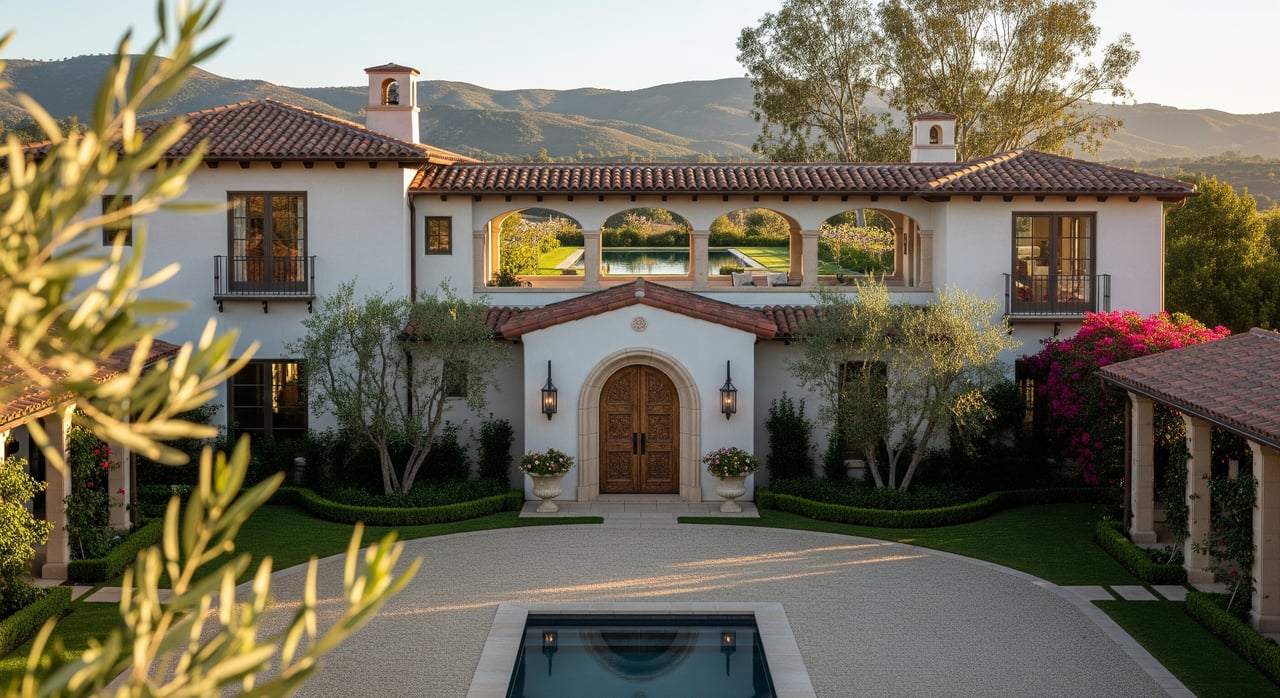
How to Price a Luxury Home in Rancho Santa Fe
January 15, 2026
January 15, 2026
Pricing a Rancho Santa Fe luxury home is not like pricing a typical suburban property. The estates here are unique, many sales happen privately, and buyer priorities can vary widely. If you want to protect your time and your equity, you need a framework that respects how this market really works. In this guide, you will learn the value drivers that matter, the comp strategy that works, and the exact steps to build a confident asking price. Let’s dive in.
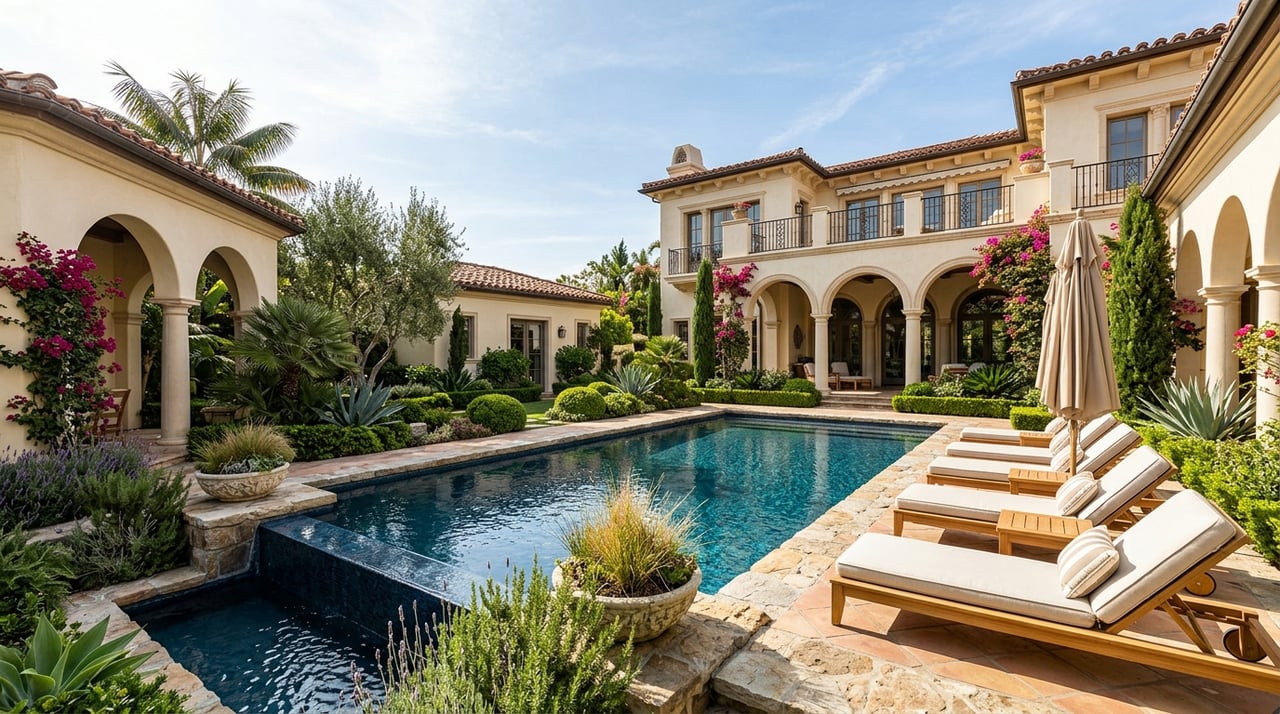
Rancho Santa Fe draws high‑net‑worth buyers who value privacy, acreage, and architectural pedigree. Parcels commonly range from 1 to 20 acres or more, and many include guest houses, equestrian improvements, pools, and specialized infrastructure. Because estates are so distinct, price discovery can take longer, and days on market for trophy properties can vary.
Many high‑end transactions here close off‑MLS through tight broker networks. That private activity reduces public comps, which is why a standard price per square foot approach often misleads. You need a blended, evidence‑based model that accounts for land utility, privacy, provenance, condition, and site amenities, supported by both public and private sales.
Where you sit within Rancho Santa Fe matters, including Covenant or non‑Covenant areas and proximity to community facilities. Buyers often pay a premium for privacy and security features, such as gated entries, distance from neighbors, and favorable topography. Road access, maintenance obligations, and easements also influence utility and perceived value.
Total acres are important, but usable acreage is often the bigger lever. Flat pads, riding areas, and room for future improvements can outweigh raw size. Lot shape, easements, and any agricultural or conservation restrictions can limit usable land and should be reflected in pricing.
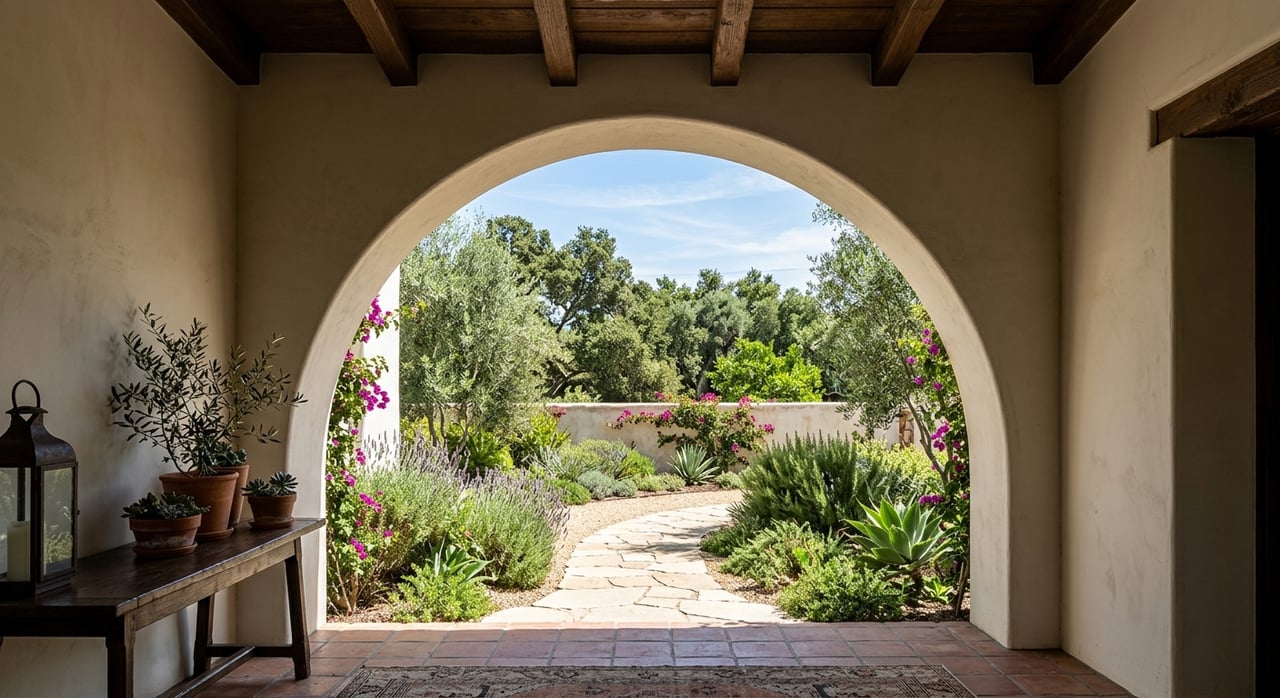
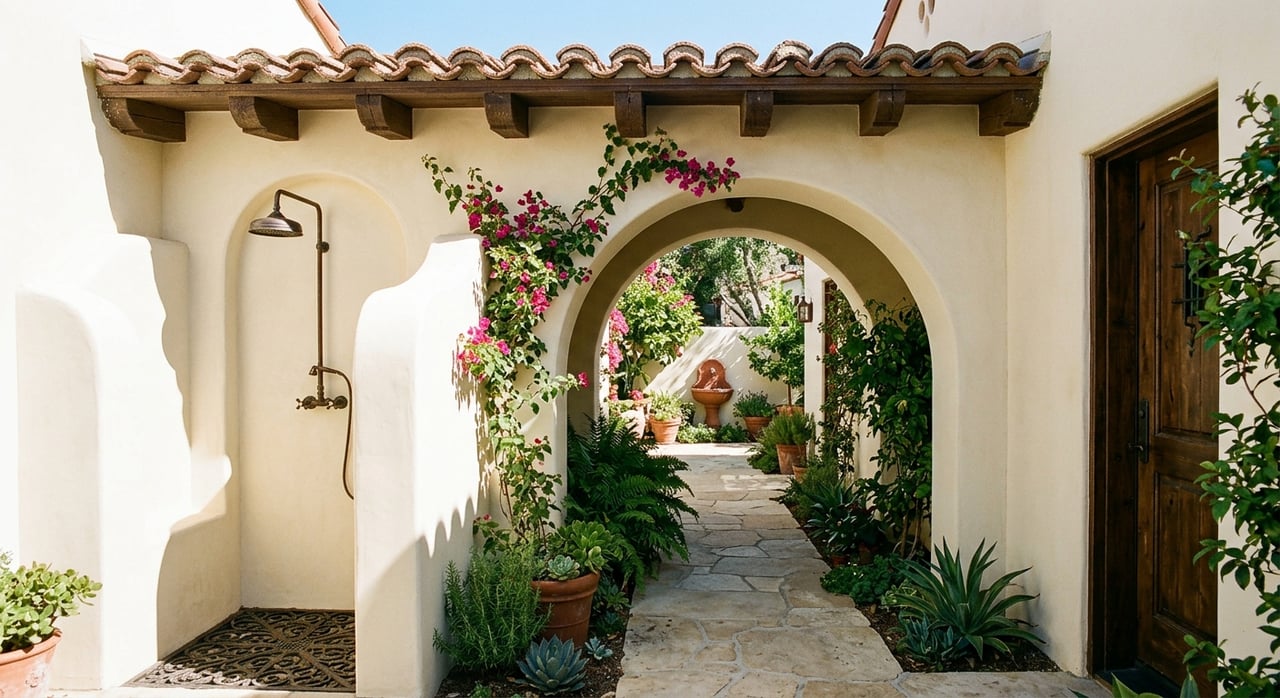
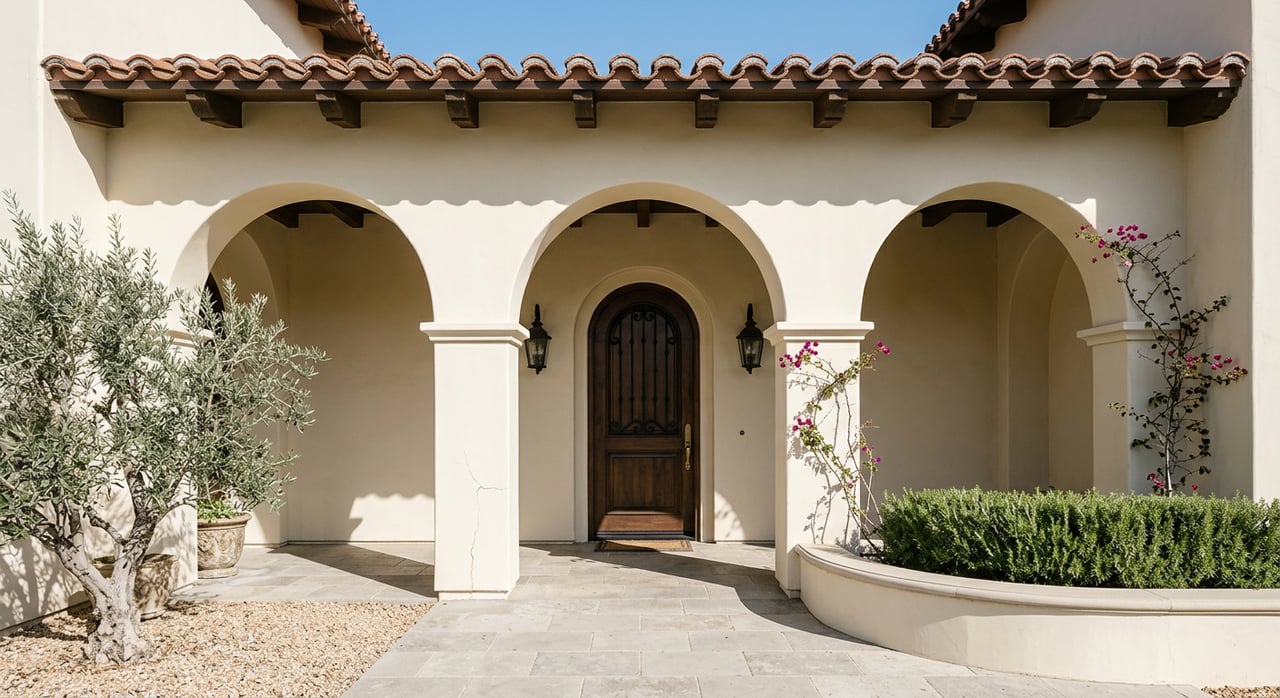
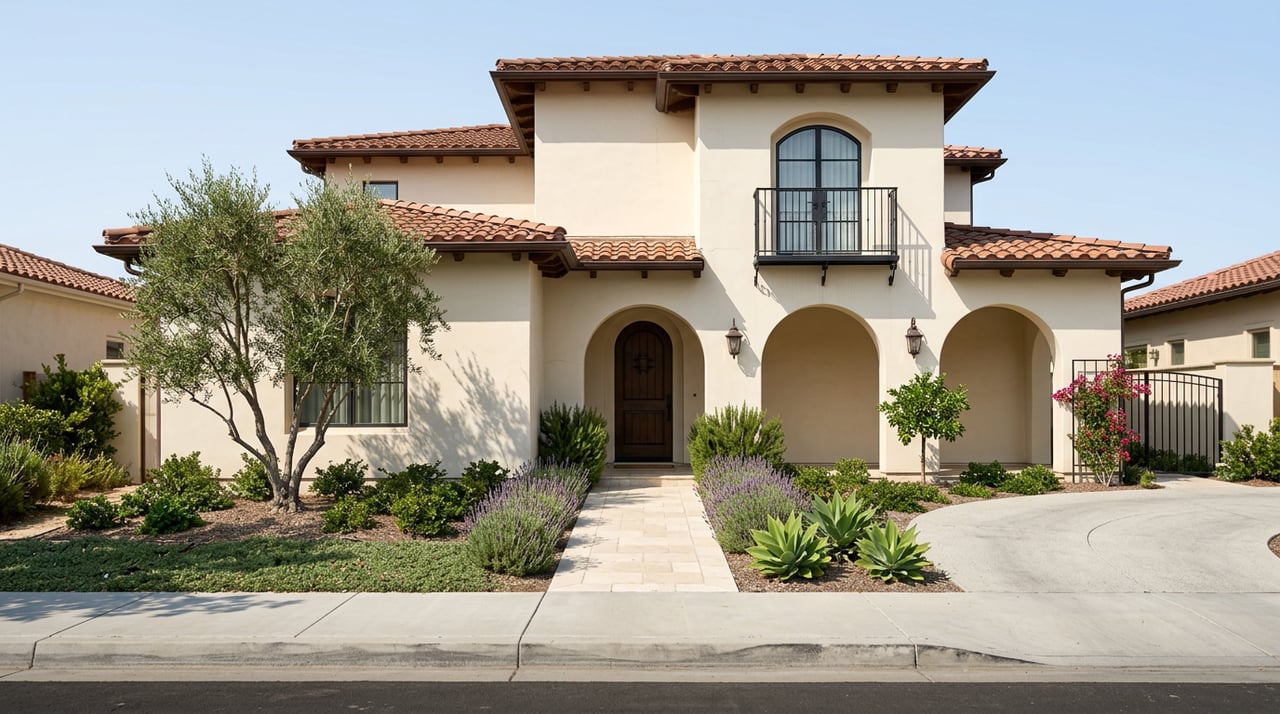
Architect pedigree, builder reputation, and verifiable provenance can widen your buyer pool and support a premium. Spanish hacienda estates, contemporary compounds with high‑end finishes, or properties with historic significance draw interest for different reasons. Documenting provenance is key, then aligning comps to that segment of buyers.
Turnkey estates tend to sell faster to a broader audience. Original or period homes can be desirable for restoration, but buyers often price in renovation risk. System quality matters, including HVAC, roof, electrical, well and septic, and permitting history. Clear documentation of recent updates and warranties helps support value.
Ocean, canyon, and panoramic views can command higher prices when the view corridors are well protected. Itemize amenities like guest houses, staff quarters, wine rooms, pools, tennis courts, arenas, barns, and private trails. Adjust against sales that include truly comparable amenities rather than assigning generic premiums.
Association rules, conservation easements, historic designations, septic or sewer status, well rights, and building entitlements can all shape future use. Title exceptions, easements, and CCRs may reduce usable acreage or flexibility. Pull these documents early and adjust your price when restrictions materially impact utility or transferability.
Start with a comp set of the most similar Rancho Santa Fe sales from roughly 6 to 24 months back, and extend to 36 months for one‑of‑a‑kind estates. Include off‑market closings when you can verify details, since many trophy homes sell privately. Give the most weight to sales that match usable acreage, condition, architectural style, and site amenities. Avoid overreliance on price per square foot when lot sizes or improvements differ.
For new construction or recently renovated homes, the cost approach can help validate your range. Consider the current replacement cost for structures and site work, then account for depreciation and add site value. This method is not a stand‑alone answer, but it provides a useful guardrail, especially when public comps are thin.
If your estate includes rentable elements or produces income, a simple income or discounted cash flow analysis may be relevant. Most owner‑occupied estates will not rely on this method. Still, investors and some buyers may consider it for guest units or event spaces where permitted.
In practice, a hybrid approach works best. Weigh comparable sales most heavily, layer in replacement cost for sanity checks, and use scenario testing to model pricing and timeline tradeoffs. This helps you decide how to balance exposure, confidentiality, and speed.
Build three comp categories to calibrate your price:
When adjusting, focus on acreage utility, renovation level, view quality, provenance, additional dwellings, and entitlements. Document each adjustment so you can explain your price story with clarity. You are not trying to hit a perfect number, you are building a defendable range.
Define your buyer and confidentiality level. Decide how much privacy you want, and which buyer profiles you expect to attract, such as equestrian, design‑forward, or turnkey luxury.
Compile sales from the last 12 to 36 months. Include MLS and verified private closings, then organize by similarity of land utility, style, and condition.
Inventory your property specifics. List gross living area, guest or staff quarters, usable acreage, improvements, permits, renovation dates and costs, title exceptions, association covenants, well and septic details, and any warranties.
Run three pricing scenarios. Create an aggressive test price, a market‑aligned price, and a conservative reserve price. Each scenario should include expected days on market and likely buyer feedback patterns.
Match the marketing plan to the scenario. For an aggressive price, prioritize robust global exposure, high‑caliber media, and curated showings to find the right needle‑in‑a‑haystack buyer. For a conservative price, focus on speed, strong qualification, and clean terms.
Validate with a local appraiser. Commission a certified appraiser experienced with Rancho Santa Fe estates to bolster your pricing file. This adds credibility with buyers and their lenders.
Collecting complete documentation streamlines due diligence and helps support a premium:
Private sales are common here for confidentiality, control of showings, and buyer vetting. Off‑MLS activity reduces public comps, which makes broker intelligence and title verification even more important. Closed prices may take time to appear in county records, so keep a living file of private sales data.
A private process can protect privacy, but it can also limit competition. To mitigate that, target a curated list of qualified buyers and top luxury brokers to simulate a competitive environment. Triangulate any private comp with public sales and replacement cost to avoid overvaluing your home based on a thin data set.
Luxury demand can be seasonal and tied to broader economic signals. Clarify your ideal timeline first, because your pricing and marketing must align with that goal. Large estates carry meaningful holding costs, including property taxes, insurance, maintenance, landscaping, and staff, so factor these into your net proceeds planning when testing higher price points.
Price is one lever, but terms matter. Proof of funds, deposit size, contingency length, rentback needs, and confidentiality clauses can be traded to bridge gaps. Sometimes a slightly lower price with cleaner terms nets the best overall outcome.
Tasteful, well‑documented updates can broaden your buyer pool and reduce time on market. Focus on system health, permits, and high‑impact finishes that align with your home’s architecture. If your property has historic or design significance, prioritize work that respects the original character. Compare estimated renovation cost to likely uplift, then pick the path that supports your timeline and risk tolerance.
You want a pricing and marketing plan that honors your privacy, reaches real buyers, and protects value. With a boutique, bilingual approach and Compass‑level distribution, you can pair white‑glove presentation with broad exposure. High‑quality media, virtual tours, and targeted outreach help find the right buyer for unique estates, while private broker rounds can preserve discretion when needed.
If you prefer English or Spanish, you will get clear communication in both. You also gain a partner who understands San Diego’s coastal arc, including Rancho Santa Fe, Del Mar, La Jolla, and Coronado, with documented seven‑figure and trophy sales. The result is a confident price story, a tailored marketing plan, and a smooth process from valuation to closing.
Ready to price your Rancho Santa Fe home with confidence? Connect with Jorge Alvarez for a focused valuation conversation and a customized strategy. Hablamos español.

We are committed to providing personalized attention and tailored solutions that align with your specific real estate goals. Whether you are buying, selling, or investing, we ensure a smooth and satisfying experience.