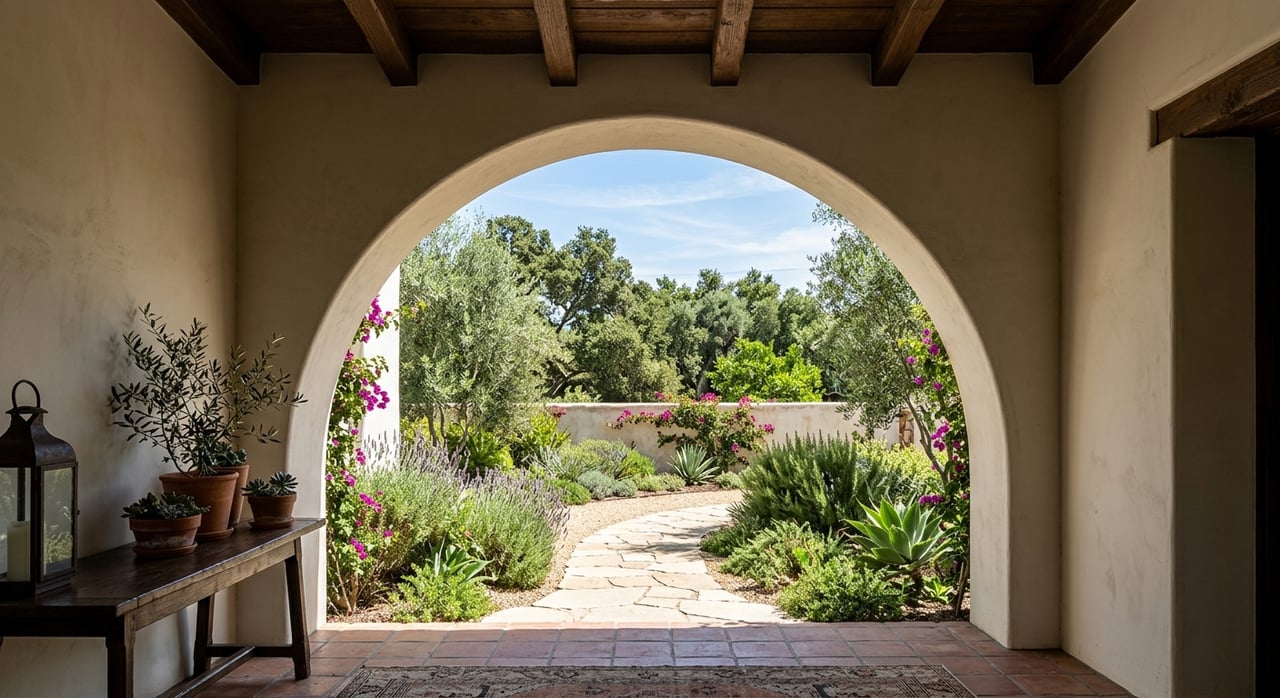
Everyday Coastal Living In Coronado Village
May 7, 2026
May 7, 2026
What does everyday life in Coronado Village actually feel like when you are not on vacation? For many people, that is the real question. You want more than postcard views. You want to know how a place works day to day, how it feels to move through it, and whether it supports the kind of coastal routine you can truly enjoy. In Coronado Village, the answer starts with walkable streets, well-used public spaces, and a community rhythm that feels active without losing its small-town charm. Let’s dive in.
Coronado Village stands out because it functions as a compact residential coastal community, not just a resort destination. The City of Coronado notes that the city was incorporated in 1890, has about 23,000 residents, and maintains a full-service local government with its own police, fire, marine safety, 18 public parks, a public library, and dedicated bike and walking paths.
That matters if you are thinking about daily life instead of just weekend appeal. A place with local services, connected public spaces, and long-term planning tends to feel more grounded. In Coronado, the village atmosphere is not accidental. It is part of how the city has chosen to preserve and shape the area over time.
One of the clearest things about Coronado Village is that it is designed for people to move through it on foot. The city’s Community Design Element describes downtown pedestrian walkways as the principal places where people see one another and share the environment, with an emphasis on safe, attractive, and inviting walkways supported by trees, seating, signage, and bicycle parking.
That planning shows up in the way the village reads on a normal day. You can picture errands, coffee stops, park visits, and dinner plans happening without every trip feeling car-dependent. The city’s Active Transportation Plan also includes a Pedestrian Master Plan, a Safe Routes to School Plan, and a Bicycle Master Plan, reinforcing that walking and biking are not side features here. They are part of how the community works.
Orange Avenue is central to everyday Coronado living. The city states that the Orange Avenue Corridor Specific Plan was adopted to preserve and enhance downtown Coronado while improving pedestrian, bicycle, and vehicle connections, convenient parking, and retail opportunities for residents.
That balance is important. Downtown areas in coastal communities can sometimes tilt too far toward visitor activity, but Coronado’s planning framework clearly includes local day-to-day use. If you are exploring the lifestyle here, Orange Avenue is not just where people pass through. It is where a lot of normal life happens.
In some coastal communities, the beach is beautiful but not especially practical for everyday use. Coronado Village offers a different experience. Coronado Beach is a large public shoreline about 1.75 miles long, with year-round lifeguards at Central Beach and seasonal towers at Public Beach and Glorietta Bay during summer.
The city also notes useful amenities like restrooms, showers, beach-wheelchair access, on-street parking, and a dog beach at the north end. Those details matter because they make the shoreline feel usable, not just scenic. It becomes easier to imagine morning walks, a quick beach stop after work, or a regular weekend routine that does not require much planning.
Parks are a big part of what gives Coronado Village its everyday rhythm. Spreckels Park sits in the heart of Coronado and hosts major local traditions like Concerts in the Park and the annual Coronado Flower Show. Rotary Park on Orange Avenue adds shaded seating and a water feature, while Bayview Park and Centennial Park offer water views and easy places to pause.
Glorietta Bay Park is especially useful for residents who want a softer bayfront setting. The city describes it as a favorite place for families and swimmers, with direct access to San Diego Bay. Instead of having to choose between active downtown life and quiet outdoor space, Coronado Village blends both into a compact footprint.
Coronado’s bay side adds another layer to daily life. At the south end of Glorietta Bay Park, the city’s Boathouse offers kayaking, stand-up paddleboarding, and rowing shells.
That makes the water part of ordinary living. You are not limited to admiring the view from a bench or a shoreline path. If you enjoy being on the water, the bayfront supports that in a practical, accessible way.
Everyday convenience matters just as much as scenery. In Coronado Village, retail and dining are concentrated mainly along Orange Avenue and at the Coronado Ferry Landing. The city specifically notes that downtown planning aimed to expand retail opportunities for residents while preserving village character.
That means the commercial core supports local routines as well as visitor traffic. Whether you are stepping out for a meal, browsing small shops, or meeting friends by the bay, the experience stays integrated into the neighborhood instead of feeling disconnected from it.
The Coronado Ferry Landing adds another lifestyle layer that feels both practical and visual. According to its official information, the center is open daily, includes boutique shopping and waterfront dining, and offers free parking for patrons.
It also connects by car, boat, and San Diego Bay Ferry, which makes it more than just a pretty waterfront stop. For residents, it can fit naturally into a normal week. You get bay views and access to shops and restaurants without needing to treat it like a special occasion.
Because Coronado is set apart geographically, some people assume daily transportation is more limited than it really is. In practice, local connections are broader than many buyers expect. San Diego MTS routes 901 and 904 connect Coronado City Hall, Orange Avenue stops, the Hotel del Coronado area, and the Ferry Landing.
The city has also added bicycle maintenance stations along the Bayshore Bikeway near Glorietta Boulevard and Fourth Street and at Fiddler’s Cove. Taken together, those details support a lifestyle that is walkable and bike-friendly while still linked to the broader San Diego area. That can be a meaningful advantage if you want coastal living without feeling cut off.
A lot of neighborhoods look appealing in photos, but the real test is whether they feel connected over time. Coronado Village benefits from a strong civic calendar that gives the community a steady social rhythm throughout the year. The city calendar includes events such as Concerts in the Park, the Coronado Flower Show, the Fourth of July Celebration, Taste of Coronado, the Holiday Parade, and the Coronado Island Film Festival.
This is one of the reasons the village feels active beyond the summer season. There is a pattern of recurring local events that bring people into shared public spaces again and again. That kind of repetition helps a place feel established and communal.
Spreckels Park deserves special attention because it captures so much of Coronado Village life in one setting. Coronado Promenade Concerts says it has produced the summer concert series there for more than four decades. The Coronado Floral Association says the Flower Show has been held since 1922 and remains the largest tented flower show in the United States.
Those are not small footnotes. They show how a central park can become part of local identity over generations. If you are drawn to neighborhoods where public spaces actually get used, Coronado offers a strong example.
The city reports that Coronado welcomes about two million visitors a year, so it is fair to expect busier summer days and holiday periods. At the same time, the city’s active transportation planning, event coordination, and permit requirements for many special events and larger beach gatherings help explain why the village often feels orderly even when activity picks up.
That is an important distinction for buyers who love energy but still want structure. Coronado Village can feel lively, but it is not unmanaged. The systems behind the scenes support a more predictable day-to-day experience.
For many buyers, Coronado Village offers something hard to replicate. You get a coastal setting, a walkable core, accessible parks, public waterfront spaces, and a calendar of recurring community events in one compact area.
That combination supports many different kinds of routines. You might value morning bike rides, evening walks, beach access, bayfront activities, or simply the ability to run errands and enjoy public spaces without constantly getting in the car. Coronado Village makes those patterns feel natural.
If you are considering a move, it helps to look beyond the postcard image and focus on how the village functions. In Coronado, the appeal is not just the ocean view. It is the way public space, local planning, and daily convenience come together to support a coastal lifestyle that feels sustainable over time.
If you are exploring homes, condos, or a move within Coronado, working with a local expert can help you match the lifestyle you want with the right part of the market. Jorge Alvarez offers boutique, bilingual guidance with deep Coronado knowledge to help you navigate your next move with confidence.


We are committed to providing personalized attention and tailored solutions that align with your specific real estate goals. Whether you are buying, selling, or investing, we ensure a smooth and satisfying experience.