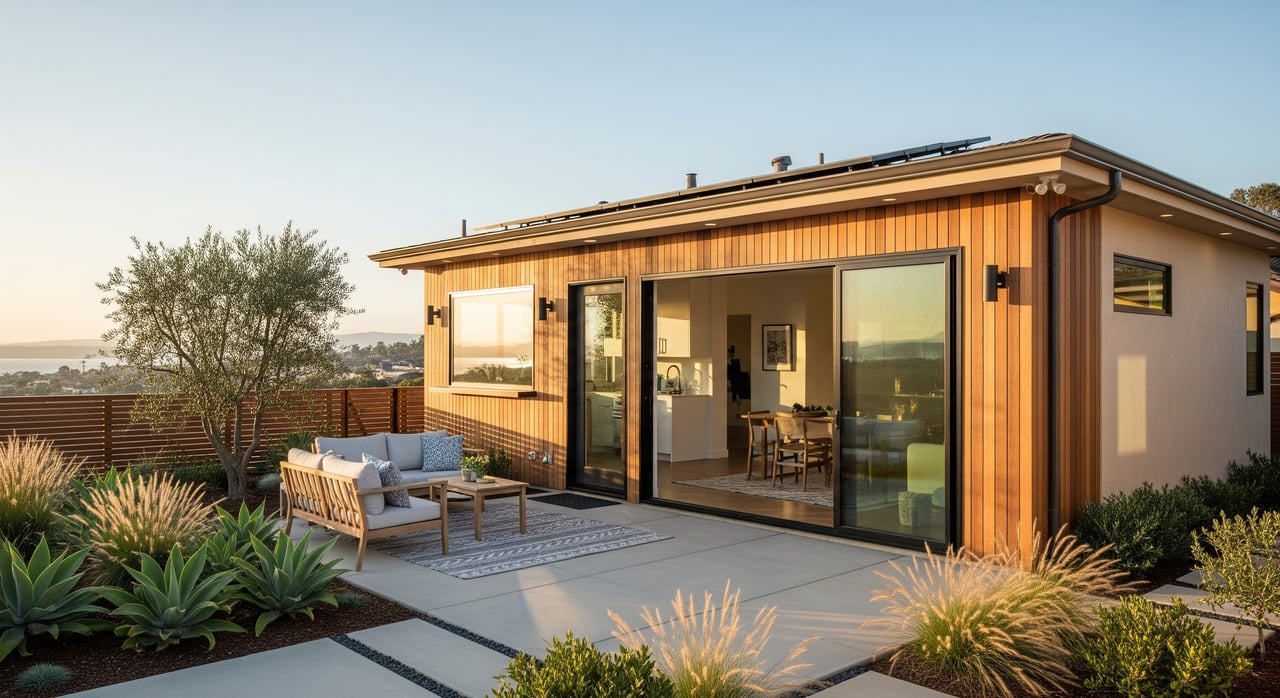
Understanding Chula Vista ADU Rules, Permits & Costs
December 4, 2025
December 4, 2025
Thinking about turning your garage or backyard space into an ADU in Chula Vista? You’re not alone. Many homeowners want extra room for family, long-term rental income, or a flexible home office. In this guide, you’ll learn the core rules, the local permitting path, how parking and setbacks work, typical timelines and costs, and the exact steps to get started with confidence. Let’s dive in.
An Accessory Dwelling Unit (ADU) is a secondary home on the same lot as your main house. It has its own entrance, a full kitchen, sleeping area, and bathroom. You can build it by converting existing space, attaching it to your home, or constructing a new detached unit in the yard.
A Junior ADU (JADU) is a smaller unit created within your home’s existing footprint. It includes a separate entrance and a kitchenette, and the bathroom may be shared or separate. JADUs are typically smaller than ADUs, often up to about 500 square feet under state rules historically, and they can be a cost-effective way to add living space.
Common ADU and JADU types you might consider:
California law sets baseline standards for ADUs and JADUs across all cities, including Chula Vista. The big takeaways: compliant ADUs and JADUs are reviewed ministerially (no discretionary hearings), objective local design standards can apply, and there are limits on local parking requirements. Because state law has changed often, confirm final details with current state and city resources before you submit plans.
If your plans meet objective standards, the city must review your application ministerially. State statute also sets a processing timeframe after your application is deemed complete. Historically, this review window has been 60 calendar days. Your actual timeline depends on how complete your submittal is and whether extra reports are required.
State law limits when cities can require on-site parking for ADUs. In some cases, no parking is required, including certain projects near public transit or conversions within existing structures. Setbacks and height are guided by a mix of statewide allowances and local objective standards. Expect Chula Vista to apply clear, measurable design rules around height, materials, and placement to fit neighborhood character.
ADUs are commonly used as long-term rentals. Short-term rentals may be restricted or regulated, so check the current city rules before planning to rent nightly. Owner-occupancy rules have changed over time, and HOAs can apply reasonable design limits even when they cannot fully prohibit ADUs. Review your CC&Rs and confirm today’s policies with the City of Chula Vista and qualified professionals.
Chula Vista has a mix of planned communities and hillside areas. Lot size, rear-yard space, easements, and existing structures all shape what you can build. On sloped sites or canyon edges, you may need geotechnical input or drainage plans. In planned communities, HOA setbacks and design rules can influence your layout and materials.
If your home is within walking distance of frequent transit, you may qualify for reduced parking requirements under state rules. Multi-family zoned lots may allow more than one ADU, subject to objective standards.
While each project is unique, most follow this sequence:
Trade permits for electrical, plumbing, and mechanical are often issued along with or after building permits. Some sites also require grading or geotechnical permits.
Plan early for utility needs. Many ADUs require new or upgraded water and sewer connections, and some utility providers may require separate meters. Electrical panel upgrades are common, especially for detached units with new HVAC or EV charging. You may also need a separate address assignment and to coordinate trash service. The city can direct you to the correct water and sewer agencies for your address.
Your timeline depends on scope and site conditions. Here is a general range:
Many projects land somewhere between about 6 months for a straightforward conversion and 12–18 months for new detached units with grading, utility work, or complex design.
Costs vary widely based on whether you convert existing space or build new, your finishes, structural work, utility upgrades, and site work such as retaining walls. Fees for permits and utility connections can be meaningful line items, and some fee reductions may apply to smaller ADUs per state guidance. For financing, owners often use cash, construction loans, HELOCs, or specialty ADU products. Check with your lender and insurance provider on mortgage and policy impacts.
An ADU can add long-term rental income and may increase overall property value. The actual impact depends on local demand, the quality of the unit, parking and access, and neighborhood norms. For a realistic outlook, compare recent local rentals and sales of homes with permitted ADUs, and verify that your unit will meet legal rental standards.
You do not have to navigate this alone. A local real estate advisor can help you scope the right ADU or JADU for your lot, connect you with trusted designers and contractors, and provide market insight on rental demand and resale value. If you plan to rent, you can also explore property management referrals and compare income scenarios.
When you are ready to assess feasibility, value impact, or rental potential, connect with Jorge Alvarez for a friendly, local conversation. Hablamos español.

We are committed to providing personalized attention and tailored solutions that align with your specific real estate goals. Whether you are buying, selling, or investing, we ensure a smooth and satisfying experience.